Farmington Country Home Fully Sanitized
After Category 3 Sewage Backup and Critical Furnace Contamination
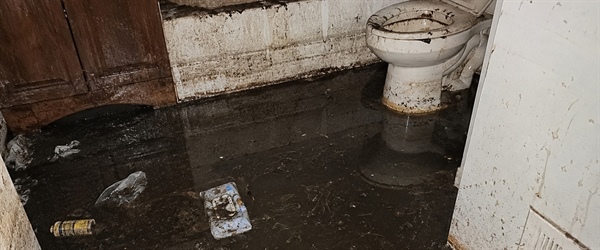
A rural family living in the country faced a severe biological hazard when their main sewer line suffered a catastrophic structural blockage, sending gross contaminants back into the living spaces. The septic failure caused raw waste to overflow continuously from the main-level bathroom plumbing fixtures, spreading biohazards across high-traffic transitional zones. Because sewage contains dangerous microscopic pathogens, the homeowners immediately sought certified emergency restoration services online to protect their health. CCS Cleaning and Restoration deployed to the site to contain the biological spill and provide expert water damage restoration in Farmington, Minnesota.
The primary objectives for this country home focused on establishing complete biohazard isolation, removing all tracking contaminants, and protecting the home's indoor air quality from HVAC cross-contamination. Unlike a clean water spill, black water backups require an aggressive material disposal protocol because porous items cannot be sanitized or salvaged safely. Our certified field specialists developed a targeted containment strategy to isolate the mudroom and kitchen while prepping the underlying basement structure for sanitation.
Project Summary
| Client Profile: | The Pearson Family / Rural Homeowners |
| Project Location: | Farmington, Minnesota |
| Primary Objective: | Biohazard Cleanup |
| System Installed: | HVAC Duct Cleaning |
| Measurable Impact: | Total eradication of gross biological contaminants across 100% of the active footprint |
Gross Contamination & Sub-Floor Infiltration
The on-site diagnostic inspection officially classified the plumbing failure as a Category 3 black water event due to the high presence of bacteria, viruses, and organic waste. Liquid contaminants had completely saturated the sheet vinyl flooring in the kitchen and soaked deep into the lower portions of the adjacent hallway and office drywall. Because the bathroom sat directly above the basement, the overflowing sewage breached the subfloor layers and traveled downward along structural paths.
A critical complication was discovered during our basement assessment: the residential furnace was located directly underneath the failing bathroom floor. Raw sewage had leaked directly onto the exterior casing and seeped into the internal mechanical components, completely compromising the heating system. This infiltration meant that dangerous biological particulates had entered the main return lines, requiring immediate mechanical isolation.
Biohazard Material Extraction & Framing Decontamination
Our mitigation team began by wearing advanced personal protective equipment to execute an immediate source-removal protocol across the main level. All contaminated sheet vinyl flooring, underlying underlayment, and affected drywall sections were cut out, bagged, and safely disposed of in accordance with environmental regulations. Wooden structural framing cannot be discarded, so our technicians subjected the exposed studs and subfloor joists to heavy mechanical agitation and specialized biocidal washes.
This one too again it's that one's a cat three right off the bat because it's sewage... the furnace ended up getting affected too. It had to get replaced and also got to the ductwork too.
Once the structural framing was fully cleaned, sanitized, and dried, our focus shifted to the air distribution system to ensure complete home safety. We isolated the contaminated furnace and performed a comprehensive air vent cleaning to remove all soot, dust, and microscopic debris using our specialized professional air vent cleaning systems. This process ensured that the home's air pathways remained completely secure while completing the necessary emergency restoration solutions.
Extracting contaminated materials and treating structural framing with industrial sanitizers. Biological Hazards Eliminated & Ventilation Secured
The extensive restoration project completely removed the raw sewage threat from the home's main living areas and unfinished basement. All affected porous materials were safely discarded, and the remaining structural timber was thoroughly sterilized and dried back to safe residential standards. Our rigorous multi-step sanitation process completely neutralized the pungent odors, restoring comfort and safety back to the entire household.
By executing an immediate duct intervention, we stopped organic bacteria from settling inside the home's primary ventilation channels. The structural footprint was left completely sanitized and odor-free, setting the table perfectly for an HVAC professional to swap out the broken furnace. Thanks to our thorough cleanup, the family could safely bring in construction contractors to rebuild their kitchen, mudroom, and bathroom surfaces.
Professional Biohazard Restoration for Southern Minnesota
We specialized in cleaning up severe septic backups, grease spills, and hazardous black water events safely. Our IICRC-certified crews move fast to isolate contaminants, sanitize framing, and protect your indoor air quality.
Do you need help resolving these structural issues or upgrading your property in Farmington? Contact our team to book your evaluation today.
CCS Cleaning and Restoration 1202 Lyndale Ave N, Faribault, MN 55021
Frequently Asked Questions
What makes a sewage backup a Category 3 water event in Farmington?
Category 3 water, commonly referred to as black water, contains highly unsanitary contaminants, fungi, and dangerous pathogens that can cause severe illness. Source materials include toilet backups, septic tank overflows, and rising river water, all of which require specialized professional protective gear and sanitation techniques to clean safely.
Can carpet or sheet vinyl flooring be saved after a sewage backup?
No, all porous materials like carpeting, padding, sheet vinyl, and drywall that come into direct contact with Category 3 sewage must be removed and discarded. These materials absorb the contaminated water deeply, making it impossible to guarantee complete sterilization, which creates permanent health hazards if left inside the home.
What happens if sewage enters a home's furnace or ductwork?
When sewage drips onto a furnace, it damages electrical components and introduces bacteria into the climate control system. The furnace must be replaced for safety reasons, and all connected duct lines must undergo a comprehensive decontamination and professional cleaning to prevent contaminated air from circulating through the home.