How Does Fire Damage Restoration Prevent Secondary Damage?
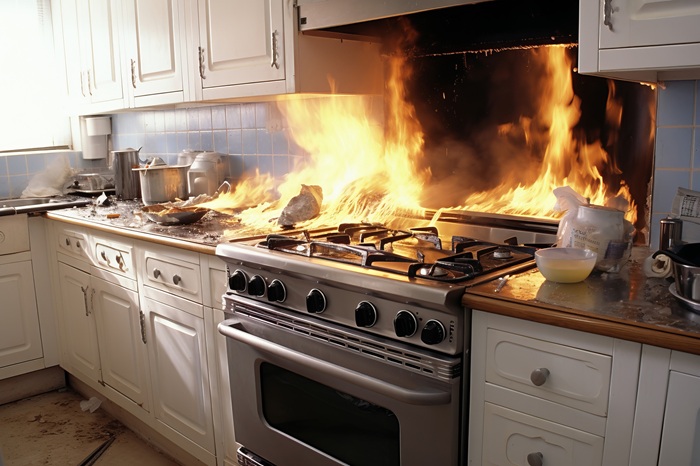
Fire damage restoration involves more than repairing burned structures. Once the flames are extinguished, a building enters a period when hidden or delayed forms of deterioration can develop.
These secondary effects often cause more long-term harm than the fire itself, especially when soot, moisture, and smoke residues remain in the environment. The purpose of fire restoration is not only to clean and stabilize the affected space, but also to interrupt the chemical and physical reactions that continue long after suppression efforts end.
CCS Cleaning & Restoration approaches fire recovery with methods that address these ongoing risks. Secondary damage can affect materials, indoor air, mechanical systems, and structural components in ways that are not always obvious at first glance. Below, we'll highlight some key areas where targeted restoration practices help reduce deterioration and support safer, more predictable recovery outcomes.
What Types of Secondary Damage Can Occur After a Fire is Extinguished?
Secondary damage begins the moment combustion stops. Smoke particles and soot settle onto surfaces where they interact with moisture and air to create corrosive deposits. These residues can stain walls, discolor plastics, tarnish metals, and etch glass within hours.
Because soot contains acidic compounds, its reaction with building materials accelerates structural degradation. Electronics, appliances, and wiring are particularly sensitive due to the conductivity and corrosive nature of soot particles.
Water used during suppression introduces another layer of risk. Moisture saturates drywall, insulation, flooring systems, and wood framing, leading to swelling, warping, delamination, and microbial growth. If water reaches concealed cavities, such as wall voids or ceiling spaces, deterioration may continue unnoticed. When moisture is not addressed quickly, mold colonies can form on both organic and inorganic materials.
Smoke odor is also a secondary effect. Odor molecules penetrate porous materials, HVAC systems, and contents throughout the property. If these particles migrate through ductwork, they may continue redistributing long after initial cleaning. Comprehensive restoration work includes steps to prevent these lingering contaminants from causing extended structural and air quality problems.
How Does Soot Residue Contribute to Long-Term Damage if Not Removed Quickly?
Soot is composed of carbon, volatile compounds, and microscopic particles capable of adhering tightly to surfaces. Because of its acidic characteristics, soot begins to degrade materials on contact. Metals such as chrome, aluminum, and copper tarnish rapidly when exposed to acidic deposits. Glass can become pitted, and painted finishes may discolor permanently if soot is not neutralized in the early stages of restoration.
Porous surfaces absorb soot deeply, making removal more challenging over time. Upholstery, insulation, carpets, and unfinished wood trap soot particles that continue to release odors and contaminants back into the air. The longer the soot remains embedded, the more difficult it becomes to clean without replacing the material entirely.
If soot is disturbed without proper containment, it re-aerosolizes and spreads into areas previously unaffected by the fire. Air scrubbers and ventilation systems used during restoration help reduce this migration, but mechanical cleaning and chemical neutralization remain essential in stopping the corrosive impact of soot over time.
Why Is Water Extraction Critical Following Fire Suppression Efforts?
Water introduced during firefighting spreads rapidly throughout a structure. Even small amounts can reach adjacent rooms, subfloors, wall cavities, and insulation.
If this water is not removed quickly, materials remain saturated and begin to deteriorate. Wood framing absorbs moisture and may experience dimensional changes that affect structural stability. Drywall softens, sags, or collapses under prolonged saturation.
Moist environments create the perfect conditions for mold development. Mold can form in as little as 24 to 48 hours on damp building materials. Once established, mold spreads through spores carried by airflow and can compromise indoor air quality. Preventing mold requires immediate extraction, followed by controlled drying and dehumidification.
Residual moisture also affects electrical systems. Water trapped in outlets, conduit, or wiring increases the risk of malfunction or corrosion. Rapid water extraction prevents long-term failures and reduces the scope of necessary repairs. During restoration, extraction is one of the first steps because it determines how effectively the rest of the recovery process will proceed.
How Can Odor Control Measures Mitigate Secondary Smoke Damage?
Smoke odor originates from microscopic particles that bind to surfaces and travel through the air. Odor control begins with removing soot at its source, but additional steps are necessary to neutralize the compounds responsible for persistent smells. Thermal fogging produces a fine vapor that mimics the behavior of smoke particles, allowing deodorizing agents to reach the same cracks and pores as the original odor molecules.
Ozone and hydroxyl generators are also used during odor control. Ozone chemically alters odor-causing molecules, breaking them down so that the smell dissipates. Hydroxyl generators use a different oxidation process and can operate safely in occupied areas, making them effective in large or sensitive environments. These approaches target airborne particles as well as odors embedded in surfaces.
Odor control is closely tied to air movement and filtration. Air scrubbers equipped with HEPA filters capture airborne particulates released during cleaning. When paired with ventilation strategies, these devices reduce the concentration of odor-producing particles and limit further distribution. Odor mitigation is an important part of restoration because unresolved smoke odor can linger for months or years if not addressed comprehensively.
What Role Does Rapid Structural Drying Play in Preventing Mold Growth Post-Fire?
Structural drying is a crucial component of fire restoration because water from suppression efforts saturates materials deeply. Rapid drying reduces the time moisture stays in the structure, limiting the opportunity for mold growth. Using air movers to accelerate evaporation and dehumidifiers to remove airborne moisture creates an environment where mold struggles to grow.
Mold thrives in warm, humid conditions, especially when organic materials such as wood, drywall, and insulation remain damp. Drying these materials quickly interrupts the growth cycle, reducing the risk of colonies forming behind walls or under flooring. Moisture meters and hygrometers help technicians track drying progress and adjust equipment to maintain effective drying rates.
Quick drying also prevents secondary damage related to structural deformation. Swelling, buckling, and warping can occur when wood and composite materials remain wet. Rapid drying stabilizes these components and reduces long-term repair needs. For restoration teams, structural drying is a central part of controlling both microbial growth and material integrity following a fire.
CCS Cleaning & Restoration Supports Secondary Damage Prevention After Fire Incidents
Fire damage can create complex conditions involving soot contamination, excess moisture, and structural instability. CCS Cleaning & Restoration addresses these challenges with restoration methods designed to limit further damage and help return properties to safe, stable conditions. We proudly serve Faribault, Owatonna, Northfield, Lakeville, and surrounding communities throughout southern Minnesota.
If your property has experienced fire damage or related secondary issues, CCS Cleaning & Restoration is ready to help. Call 507-334-1774, or contact our team online to discuss restoration needs and next steps.