How Does Mold Growth Affect HVAC Systems and Indoor Air Quality?
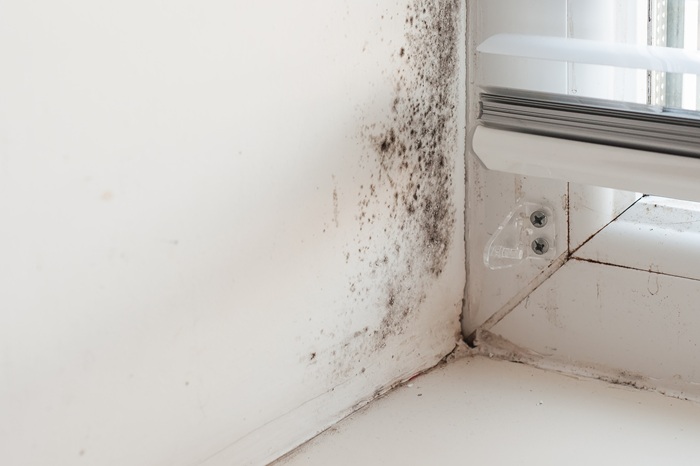
Mold growth inside an HVAC system affects both the mechanical components of the equipment and the quality of the air distributed throughout the building. Because HVAC systems move large volumes of air, they can carry mold spores from one area to another, spreading contamination far beyond the original source.
When moisture, dust buildup, or microbial-friendly conditions are present, mold can take hold inside ducts, coils, insulation, and air handling components. Once established, mold affects airflow efficiency, mechanical longevity, and the air that occupants breathe every day.
Understanding how mold infiltrates HVAC systems, the signals that indicate mold presence, and the potential health impacts is central to maintaining safe indoor environments. Each of the five subtopics below examines a different aspect of mold behavior in HVAC systems and helps explain how mold develops in ductwork, how it affects building occupants, and what cleaning and prevention methods offer long-term protection.
How Mold Infiltrates HVAC Systems
Mold enters HVAC systems primarily through air movement. Spores circulate naturally throughout indoor and outdoor environments, and every ventilation system pulls in air that contains a measurable number of spores.
When the system contains moisture — from condensation, leaks, clogged drain pans, or high humidity — these spores can settle on surfaces and begin to grow. Areas such as evaporator coils, air handlers, insulation lining, and return ducts are especially vulnerable. Condensation on coils provides moisture, dust provides nutrients, and restricted airflow increases the time moisture stays on surfaces.
Leaks inside the system also increase mold risk. A cracked drain pan, obstructed condensate line, or missing insulation can cause water to pool in hidden spaces. If these areas are not inspected regularly, mold can develop behind panels or in areas seldom accessed during routine maintenance. Once mold begins to grow, the system’s airflow can lift spores and distribute them to other parts of the duct network.
Negative pressure in parts of the home or building can worsen infiltration. When certain rooms draw air inward, duct leaks can pull in contaminated air from basements, crawlspaces, or wall cavities that contain mold. During restoration work after water damage, HVAC systems may also pull in high-moisture air that encourages mold colonization if the system is not isolated or protected.
What Are the Signs of Mold Presence in Air Ducts?
Mold inside ductwork often produces detectable odors before it becomes visible. A musty, earthy, or damp smell when the HVAC system runs is one of the earliest indicators of microbial growth. These odors typically intensify when humidity levels rise or when the air conditioner cycles on, which increases airflow over contaminated surfaces. Even if mold is not visible through vent openings, odors can indicate hidden growth behind insulation, in plenum spaces, or along metal duct walls.
Other signs include visible discoloration around supply or return vents, dark spotting on insulation near the air handler, or particles blowing out of vents during operation. In some cases, homeowners report dust that appears darker or clumps more easily than typical household dust. Unusual moisture patterns, such as frequent condensation on registers or dampness near vents, may also suggest that mold-friendly conditions exist inside the system.
During restoration after water intrusion, infrared imaging and moisture meters can help identify areas where moisture remains inside surrounding building materials. If ductwork runs through these wet cavities, mold can form both inside ducts and around exterior duct surfaces, eventually infiltrating the system. Consistent inspection and monitoring help identify issues before they become widespread.
How Does Mold in HVAC Systems Impact Occupant Health?
Mold inside HVAC systems influences indoor air quality by elevating airborne spore counts. Because air handlers distribute conditioned air throughout the building, any contamination inside the system has direct access to occupied rooms. Individuals may experience respiratory irritation, sinus congestion, headaches, or increased allergy symptoms when exposed to airborne mold. Sensitive individuals, including children, older adults, and those with asthma, often feel symptoms more quickly and more severely.
Some molds release microbial volatile organic compounds (MVOCs), which contribute to odors and can irritate the eyes, throat, and respiratory system. In severe cases, mold exposure may worsen chronic respiratory conditions or cause persistent irritation that affects daily living. While not all mold species are harmful, the presence of elevated mold levels indoors is widely recognized as a contributor to poor indoor air quality.
Mold-related health complaints often coincide with periods of system operation. If occupants feel better when away from the building or experience stronger symptoms when the HVAC runs, this pattern suggests the system may be acting as a distribution source. Proper inspection, cleaning, and moisture management are essential to restoring healthy indoor conditions.
What Cleaning Methods Are Effective for Mold in Ductwork?
Cleaning mold in ductwork requires strategies that address both particulate removal and surface contamination. Mechanical agitation is one of the most widely used methods. Brushes, air whips, and compressed-air tools break debris loose from duct walls so a high-powered negative air machine can collect it. This combination helps remove dust, mold colonies, and other particulates that accumulate inside ducts.
After debris is removed, technicians often apply EPA-registered antimicrobial agents to treat surfaces. These products help disrupt mold growth on metal ducts and certain types of insulation. Application methods include fogging, spraying, or wiping, depending on the type of duct and the area being treated. All chemicals used inside HVAC systems must comply with industry standards to avoid damaging equipment or leaving residues that affect indoor air.
Because mold spreads through airborne pathways, HEPA filtration is essential during cleaning. Air scrubbers operating within the work zone help capture spores dislodged during mechanical agitation. When cleaning is part of a broader restoration effort after water damage, drying and dehumidification are also required to stop ongoing mold growth in adjacent building materials.
How Can Future Mold Growth in HVAC Systems Be Prevented?
Mold prevention centers on moisture control. Keeping humidity inside the building between 30% and 50% reduces the chance of condensation forming inside ducts and on coils. Regular maintenance of the HVAC system — cleaning coils, replacing filters, clearing drain lines, and inspecting drain pans — is essential for minimizing moisture buildup. When water does appear inside the system, resolving leaks and removing standing water quickly prevents mold-friendly conditions from taking hold.
Proper filter selection also plays a role. Filters with higher MERV ratings capture more airborne spores before they enter the air handler. However, filters must be compatible with the system to avoid restricting airflow. Sealing ductwork and addressing air leaks prevents contaminated air from entering the system from basements, crawlspaces, or wall cavities, where mold growth is more likely to occur.
For property owners concerned about indoor air quality, periodic inspections and moisture monitoring create an early warning system. If the building has experienced water intrusion, fire suppression, or high humidity events, the HVAC system may need targeted cleaning or protective measures.
How CCS Cleaning & Restoration Helps Protect HVAC Systems and Indoor Air Quality
Controlling mold inside HVAC systems requires a combination of moisture management, airflow regulation, and detailed cleaning. CCS Cleaning & Restoration supports these efforts with inspection tools, duct cleaning equipment, and experience in working with air handling components that influence indoor air quality.
We assist with mold and air quality concerns for residential and commercial properties throughout Southern Minnesota, delivering an approach that emphasizes identifying contamination, removing it safely, and limiting conditions that support regrowth.
Property owners experiencing odors, allergic reactions, or airflow problems can reach CCS Cleaning & Restoration at 507-334-1774 or through our contact page to get rid of mold once and for all!