How Does Trapped Moisture Behind Walls Lead to Long-Term Structural Damage?
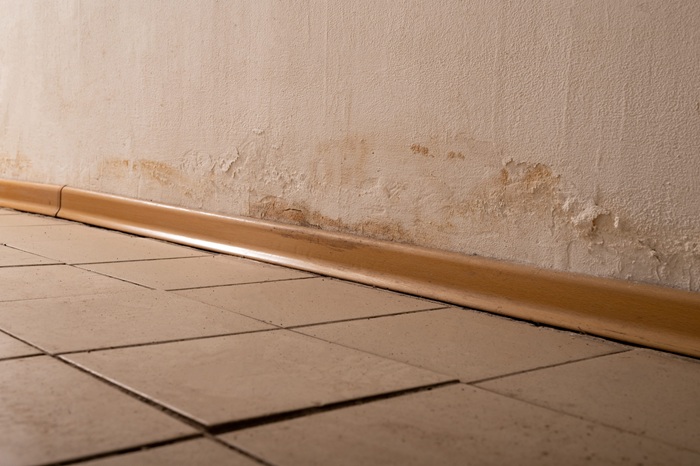
Moisture trapped behind walls is one of the most overlooked causes of long-term structural damage in residential and commercial buildings. What begins as a small leak, a minor flood, or even condensation can quietly infiltrate wall cavities and remain hidden for months or years. Because these spaces are enclosed by drywall, insulation, and vapor barriers, the moisture cannot evaporate efficiently. Over time, this persistent damp environment begins to affect the materials that make up the structure, often without visible warning signs until significant damage has already occurred.
CCS Cleaning & Restoration has seen firsthand how unnoticed moisture can lead to widespread deterioration inside walls. From the breakdown of wood framing to the growth of mold colonies and corrosion of metal fasteners, the impact is cumulative and progressive. In the sections below, we will examine how moisture becomes trapped, how it affects different building materials, and why early detection is critical to preventing structural failure. Understanding these mechanisms helps property owners recognize risks before they escalate and require extensive restoration work.
How Moisture Becomes Trapped Inside Wall Cavities and Why It Persists
Moisture typically enters wall cavities through three primary pathways: liquid water intrusion, vapor diffusion, and air leakage. Liquid water intrusion occurs during roof leaks, plumbing failures, or flooding events, allowing water to penetrate building assemblies directly. Vapor diffusion happens when water vapor moves through porous materials due to differences in humidity and temperature, while air leakage allows humid air to enter cavities and condense on cooler surfaces. Once moisture enters, enclosed wall systems restrict airflow, preventing natural drying.
Modern construction often includes vapor barriers and tightly sealed insulation systems designed to improve energy efficiency. While effective at reducing heat transfer, these systems can inadvertently trap moisture inside wall cavities. Drywall, fiberglass insulation, and sheathing materials create multiple layers that limit evaporation. When moisture becomes sealed between these layers, it remains in contact with structural components for extended periods, increasing the likelihood of material degradation.
Temperature fluctuations further exacerbate the issue. When warm, humid air contacts cooler surfaces within the wall, condensation forms and accumulates. This cycle can repeat daily, especially in climates with seasonal variation, leading to chronic moisture presence. Over time, these conditions require professional restoration processes to address hidden damage and restore structural stability.
Material Breakdown in Wood, Drywall, and Structural Framing Systems
Wood is highly susceptible to moisture-related deterioration because it is an organic material composed of cellulose and lignin. When moisture content rises above approximately 20%, conditions become favorable for fungal growth that causes wood rot. This process breaks down the structural fibers within the wood, reducing its load-bearing capacity and leading to softening, warping, and eventual structural failure.
Drywall, which consists of a gypsum core sandwiched between paper layers, also deteriorates rapidly when exposed to moisture. The paper facing absorbs water, providing an ideal environment for microbial growth, while the gypsum core loses cohesion and crumbles. Prolonged exposure results in swelling, sagging, and eventual disintegration of wall surfaces. This degradation compromises both structural integrity and interior finishes.
Framing components, including studs and joists, are particularly vulnerable when moisture remains undetected. As these structural elements weaken, they can no longer distribute loads effectively. Over time, this leads to uneven stress distribution, which may cause visible issues such as wall bowing, ceiling sagging, and floor instability. These effects are cumulative and often require extensive structural repairs once the damage becomes advanced.
Mold Growth Inside Walls and Its Role in Structural Deterioration
Mold growth is a direct consequence of persistent moisture within wall cavities. Mold spores are naturally present in indoor environments, but they require moisture and organic material to grow. When trapped moisture saturates materials such as wood and drywall, it creates ideal conditions for mold colonization. Growth can begin within 24 to 48 hours under the right conditions.
As mold colonies expand, they digest organic materials, including wood fibers and paper backing on drywall. This biological process accelerates the breakdown of structural components. Over time, the affected materials lose strength and stability, contributing to the overall weakening of the wall system. Mold growth also spreads beyond the initial area, increasing the scope of damage.
Hidden mold growth inside walls is particularly problematic because it often remains undetected until significant deterioration has occurred. By the time visible signs such as staining or odor appear, structural damage may already be extensive. This underscores the importance of moisture control and early intervention to prevent long-term consequences.
Corrosion of Metal Components and Structural Fasteners from Moisture Exposure
Moisture does not only affect organic materials; it also impacts metal components within wall systems. Nails, screws, metal studs, and connectors are critical for maintaining structural integrity. When exposed to moisture over time, these components undergo oxidation, commonly known as rust. Corrosion weakens the metal and reduces its ability to hold connections securely.
As corrosion progresses, fasteners lose their tensile strength, increasing the risk of structural failure at connection points. This is particularly concerning in load-bearing walls where the integrity of fasteners is essential for distributing weight. Even minor corrosion can compromise the effectiveness of these connections, leading to gradual loosening and instability.
In environments with high humidity or repeated moisture exposure, corrosion can spread rapidly across multiple components. This systemic degradation affects not only individual fasteners but the entire structural assembly. Over time, the cumulative impact can result in significant safety concerns and costly repairs.
Cumulative Effects of Hidden Moisture Damage Over Time in Building Structures
The most significant risk associated with trapped moisture is its cumulative nature. Damage does not occur instantly but develops gradually as materials remain exposed to damp conditions. Initially, the effects may be subtle, such as minor warping or slight discoloration. However, as moisture persists, these issues escalate into more severe structural problems.
Warping occurs when materials expand and contract unevenly due to moisture fluctuations. This can lead to misalignment of walls, doors, and windows. Cracking may develop as materials lose their structural integrity and can no longer withstand normal stresses. These visible signs often indicate deeper underlying damage within the wall cavity.
Without early detection and remediation, the progression of moisture damage can ultimately lead to structural failure. Load-bearing elements may weaken to the point where they can no longer support the building safely. Addressing these issues requires comprehensive evaluation and intervention to restore structural integrity and prevent further deterioration.
When moisture damage is left unaddressed, the consequences extend far beyond cosmetic concerns. CCS Cleaning & Restoration specializes in identifying and resolving hidden moisture issues before they compromise the safety and stability of your property. From advanced moisture detection to structural drying and repair, their team applies proven methods to address water intrusion, material breakdown, mold growth, and corrosion at the source. Their experience ensures that each layer of damage—both visible and hidden—is properly evaluated and corrected.
CCS Cleaning & Restoration provides comprehensive solutions tailored to both residential and commercial properties. Whether the issue stems from trapped moisture, structural deterioration, or long-term mold exposure, their approach focuses on restoring the integrity of your building. For immediate assistance or to schedule an inspection, call 507-334-1774 or contact us to connect with their team and prevent further structural damage.