How Does Water Spread Through Walls, Flooring, and Insulation After a Leak or Flood?
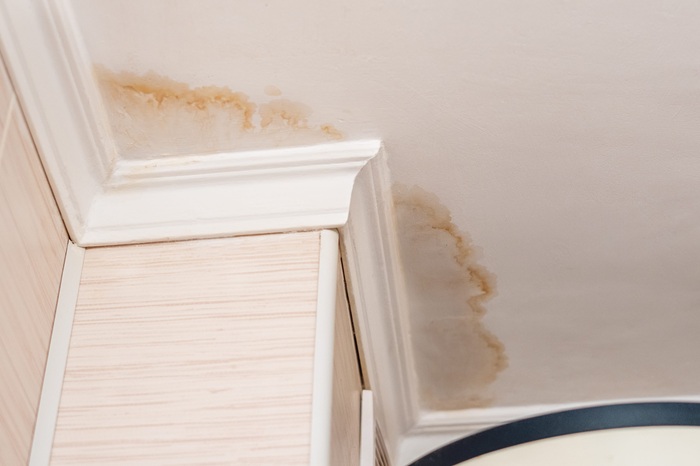
Water damage rarely stays confined to the place where it starts. A small leak behind a wall or a sudden flood across a floor can quickly turn into a much larger issue as moisture moves through building materials. Once water enters a structure, it begins spreading through seams, joints, and porous surfaces, often traveling far beyond the original source. This movement is driven by gravity, material composition, and capillary forces, allowing moisture to reach hidden areas like insulation cavities and subfloor layers. Understanding how water damage spreads is critical for recognizing the full extent of a problem before it leads to structural deterioration or indoor environmental concerns.
CCS Cleaning & Resotration has seen how quickly moisture can migrate through walls, flooring, and insulation, even when the initial damage appears minor. In this article, we’ll break down how water first enters and saturates materials, how capillary action pulls moisture through porous surfaces, and how water travels through layered construction. We’ll also examine how different materials respond to moisture and what happens when water becomes trapped over time. Each of these topics helps explain why water damage often extends well beyond what is visible, making early detection and a thorough understanding of moisture behavior essential.
How Water Initially Enters a Structure and Where It First Accumulates
Water intrusion typically begins with a failure in the building envelope or internal plumbing systems. Common entry points include burst supply lines, failed appliance hoses, roof leaks caused by compromised flashing, and surface water entering during flooding events. Once water breaches these barriers, it follows the path of least resistance, often moving along gravity-driven routes until it encounters materials that can absorb or contain it. In many cases, this means water quickly settles into horizontal surfaces such as subflooring, sill plates, and the bottom edges of drywall assemblies.
Drywall seams and joints are especially vulnerable because they contain paper facings and joint compounds that readily absorb moisture. Water often wicks into these seams, spreading laterally before becoming visible. At the same time, insulation cavities inside walls can trap water as it moves downward, allowing moisture to pool behind finished surfaces without immediate detection. Subflooring systems, particularly those made from oriented strand board (OSB) or plywood, can absorb significant amounts of water, leading to swelling and structural stress.
Initial accumulation zones are rarely isolated. Water entering at one point can quickly saturate adjacent materials, especially when those materials are interconnected. This is why even a localized plumbing failure can evolve into widespread water damage, affecting multiple rooms and structural components within a short period.
How Capillary Action Drives Water Through Porous Building Materials
Capillary action plays a major role in how water spreads beyond its original entry point. This physical process allows water to move through small pores and channels within materials, even against gravity. Materials like drywall, wood, and certain types of insulation contain microscopic voids that act as pathways for moisture migration. Once water enters these materials, it is drawn inward and redistributed across a wider area.
In drywall, the paper facing acts as a highly absorbent surface that facilitates lateral spreading. Wood framing members, including studs and joists, can pull moisture along their grain structure, allowing water to travel both vertically and horizontally. This means that a leak located near the base of a wall can result in moisture appearing several feet above the original source. Similarly, insulation materials such as cellulose can absorb and retain large volumes of water, further contributing to moisture distribution.
Capillary movement is not uniform and depends on material density, pore size, and saturation levels. Once materials reach a certain level of saturation, water begins to move into adjacent components, extending the affected area. This mechanism explains why visible damage often underrepresents the true extent of moisture intrusion.
How Water Migrates Through Walls, Floors, and Insulation Layers
Modern construction relies on layered assemblies, including drywall, vapor barriers, insulation, sheathing, and framing systems. When water enters these assemblies, it does not remain confined to a single layer. Instead, it migrates between layers, often moving behind surfaces where it cannot be easily seen. This hidden migration allows moisture to spread extensively before detection.
Behind walls, water can travel along studs, wiring pathways, and fastener penetrations. In flooring systems, moisture can move beneath finished surfaces such as hardwood, laminate, or carpet, reaching the subfloor and even the structural joists below. Insulation acts as both a reservoir and a transport medium, allowing water to move laterally within wall cavities while slowing evaporation.
This layered movement is particularly problematic because it creates concealed moisture pockets. These areas can remain wet long after surface materials appear dry. As a result, water damage assessments that rely only on visible signs often underestimate the full scope of the issue, especially in multi-layered construction systems.
How Different Materials Absorb, Retain, and Release Moisture
Building materials vary significantly in their permeability and drying behavior. Hardwood flooring, for example, absorbs water slowly but can retain it for extended periods, leading to warping and cupping as moisture redistributes within the wood fibers. Carpet systems, including padding, absorb water rapidly and can hold large volumes, making them particularly susceptible to prolonged saturation.
Concrete behaves differently due to its porous yet dense structure. It absorbs water slowly but can retain moisture deep within its matrix, releasing it gradually over time. This can lead to elevated humidity levels in enclosed spaces even after surface drying appears complete. Fiberglass insulation does not absorb water in the same way as cellulose, but it can trap moisture between fibers, reducing its thermal performance and delaying drying.
The drying rate of each material depends on airflow, temperature, and relative humidity conditions. Materials with higher density and lower permeability require longer drying times, increasing the risk of secondary damage. Understanding these differences is critical for evaluating how moisture impacts various components within a structure.
What Happens When Moisture Remains Trapped in Building Materials
When moisture is not fully removed, it creates conditions that support biological growth and material degradation. Mold can begin developing within 24 to 48 hours in environments where moisture and organic materials are present. Drywall paper, wood framing, and dust accumulation provide ideal nutrient sources, allowing mold colonies to expand rapidly within hidden spaces.
Prolonged moisture exposure also weakens structural components. Wood can lose strength as it absorbs water, leading to deformation and potential failure under load. Metal fasteners may corrode, reducing their ability to secure structural elements. Over time, repeated wetting and drying cycles can cause materials to break down, compromising the integrity of walls, floors, and ceilings.
Indoor air quality is directly affected by trapped moisture. Microbial growth releases spores and volatile organic compounds into the air, which can circulate throughout the structure. For property owners seeking accurate information or professional evaluation, connecting with CCS Cleaning & Restoration can provide access to detailed assessments and insight into moisture-related conditions.
Professional Assessment and Restoration Support
Water movement through walls, flooring, and insulation is complex and often extends far beyond what is visible on the surface. CCS Cleaning & Restoration, located in Rochester, Minnesota, provides detailed evaluations of moisture intrusion, identifying how water has spread through structural materials and where hidden saturation may still exist. Their team uses advanced inspection methods to assess drywall assemblies, subfloor systems, and insulation cavities with precision.
Each of the factors discussed—initial intrusion points, capillary movement, layered migration, material behavior, and long-term moisture retention—requires a thorough understanding to properly address. CCS Cleaning & Restoration applies this knowledge when examining affected structures, helping property owners understand the full scope of water damage and the potential risks associated with incomplete drying.
For direct assistance, contact CCS Cleaning & Restoration at 507-334-1774. You can also contact us to learn more about their services and schedule a consultation tailored to your property’s specific conditions.