What Are the Legal Considerations in Biohazard Cleanup Operations?
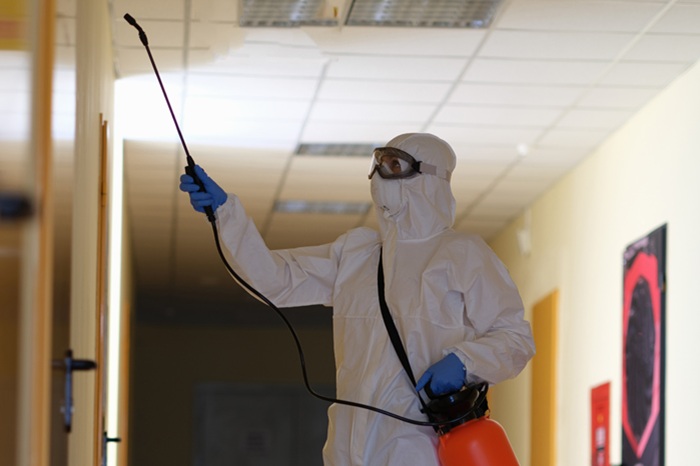
Biohazard cleanup involves strict legal requirements because these situations often contain materials that may pose health and safety risks. Bloodborne pathogens, bodily fluids, infectious waste, and chemical contaminants require handling procedures that meet both federal and state regulatory standards.
These rules govern how waste is collected, transported, treated, and documented. Any organization involved in biohazard remediation must understand how regulations apply to each step of the process so the cleanup is performed safely and in compliance with the law.
Because cleanup activities can influence worker safety, environmental impact, and liability, property owners and contractors must document their actions carefully. Training certifications, insurance requirements, and selection of a qualified remediation contractor all play critical roles.
The following sections explain the major legal considerations involved in biohazard cleanup and how these rules guide the decisions made throughout the process.
What Regulations Govern Biohazard Cleanup at the State and Federal Levels?
Biohazard cleanup is regulated through a combination of federal and state laws that outline how potentially infectious materials must be handled. At the federal level, the Occupational Safety and Health Administration (OSHA) controls standards for worker protection.
OSHA’s Bloodborne Pathogens Standard defines procedures for exposure control, personal protective equipment, training, cleanup practices, and proper disposal of contaminated materials. These requirements apply to any worker who may come into contact with blood or other potentially infectious substances.
The Environmental Protection Agency (EPA) regulates waste management practices when cleanup involves chemicals or hazardous materials that fall under federal environmental laws. Waste transporters and disposal facilities must comply with these rules to prevent environmental contamination. In addition, the Department of Transportation (DOT) oversees regulations for packaging, labeling, and transporting infectious waste so that anything leaving the site is securely contained.
State-level rules vary but often include licensing requirements, medical waste disposal laws, and public health regulations. Many states have specific guidelines for how biohazard waste is collected and transported, requiring contractors to partner with licensed medical waste disposal services. Local health departments may also set rules for site clearance and verification after cleanup, especially when incidents occur in public or commercial environments.
What Documentation is Required During Biohazard Remediation?
Documentation is essential in biohazard cleanup because it provides proof that all steps were completed according to legal and safety standards. The first component is the exposure control plan, which details how workers are protected, what equipment will be used, and the procedures followed to prevent exposure. This plan must be available on site and regularly updated to reflect current conditions and regulatory requirements.
Contractors maintain waste tracking records that show how contaminated materials were collected, packaged, transported, and disposed of. These records often include manifests provided by licensed medical waste disposal companies. In the case of chemical or hazardous contamination, additional documentation may be required under EPA or state environmental laws. Clearance reports are also produced after a cleanup is completed to verify that all affected areas were addressed and that the space is safe for re-entry.
Photographic documentation, incident logs, and chain-of-custody records help establish a clear timeline of events and actions taken. This information is valuable for insurance claims, legal inquiries, and verification by regulatory agencies. During restoration projects, accurate documentation ensures that the cleanup was performed in a legally compliant and verifiable manner.
How Are Liability and Insurance Handled in Biohazard Situations?
Liability in biohazard cleanup depends on the source of contamination and the responsibilities of the property owner or employer. Insurance policies often cover biohazard remediation when the contamination results from events such as accidents, crime scenes, trauma incidents, or sewage backups.
Policies may also include provisions for loss of use, structural damage, and additional living or business interruption expenses, depending on the situation. Insurance providers frequently require proof that the cleanup was performed by a qualified and compliant contractor.
Contractors themselves carry multiple forms of insurance to manage liability. General liability coverage protects against property damage, while pollution liability coverage can apply when contaminants or chemicals are involved. Workers’ compensation ensures that employees are covered if they experience exposure or injury during cleanup activities. These insurance arrangements protect both contractors and property owners by allocating risk appropriately.
Liability increases significantly when cleanup is performed incorrectly or without proper licensing. If contaminated materials are disposed of improperly or if workers are exposed due to inadequate safety measures, legal consequences can include fines, remediation orders, or civil claims. Selecting a contractor with the correct insurance coverage and regulatory knowledge helps minimize legal exposure for everyone involved.
What Training Certifications Are Mandated for Biohazard Cleanup Personnel?
Biohazard cleanup personnel must receive specialized training to meet OSHA standards. Employees who may encounter blood or infectious materials are required to complete training in bloodborne pathogen handling. This training includes information on exposure risks, use of personal protective equipment, proper decontamination methods, and procedures for handling sharps or contaminated waste. Training must be conducted annually and documented thoroughly.
Hazard communication training is also required when cleaners handle chemical disinfectants or hazardous materials. Workers must understand how to read safety data sheets, follow chemical handling protocols, and recognize potential exposure risks. Depending on the type of materials involved, additional training such as Hazardous Waste Operations and Emergency Response (HAZWOPER) may be necessary, particularly when cleanup involves hazardous substances beyond biological contaminants.
These certifications demonstrate that personnel have been trained to work safely under legally established guidelines. For commercial clients, insurance adjusters, or regulatory agencies, documented training provides assurance that the cleanup was performed by professionals who understand both the technical and legal demands of the job.
How Does Compliance Affect the Choice of a Biohazard Cleanup Contractor?
Compliance directly influences whether a contractor is qualified to perform biohazard cleanup. A compliant contractor follows OSHA standards, maintains required training documentation, partners with licensed waste disposal providers, and carries appropriate insurance coverage. These factors help ensure that cleanup operations are performed safely and legally, reducing the likelihood of regulatory violations or liability issues.
Property owners evaluating potential contractors should review licensing status, training certifications, and proof of insurance. Contractors who cannot provide these documents may not meet legal requirements or industry standards. Compliance also affects the quality of work, as contractors who follow regulations typically have structured procedures for containment, removal, and verification of affected areas.
How CCS Cleaning & Restoration Supports Legally Compliant Biohazard Cleanup
Biohazard cleanup involves more than surface cleaning—it requires controlled procedures that address safety, documentation, and regulatory compliance. CCS Cleaning & Restoration delivers professional biohazard remediation services across Faribault, Owatonna, Northfield, Lakeville, and communities throughout southern Minnesota, using methods that support proper containment, safe disposal, and verified clearance.
If you need help managing biohazard conditions or understanding compliance requirements, CCS Cleaning & Restoration is ready to assist. Call 507-334-1774, or contact us online to request professional support and next-step guidance.