What Are the Protocols for Handling Category 3 Water Damage?
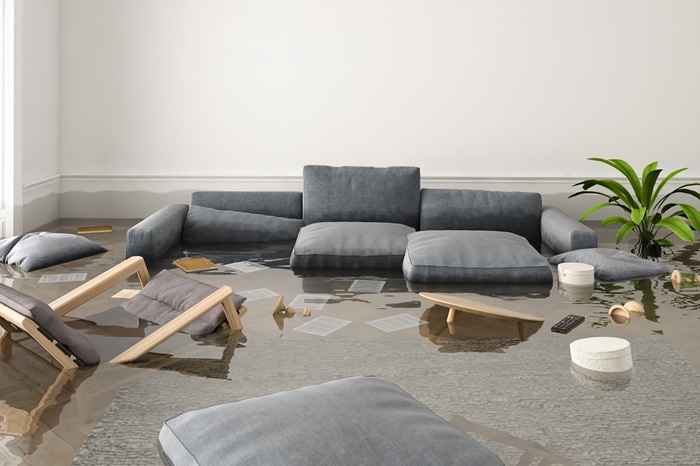
Category 3 water damage—commonly known as black water—represents the most serious type of water intrusion and poses significant risks beyond standard household leaks. This highly contaminated water often contains sewage, bacteria, viruses, and other hazardous materials, making immediate, professional intervention essential to protect both human health and property.
Properly handling Category 3 water damage requires strict safety protocols and specialized expertise. Black water incidents are most often caused by sewage backups, floodwaters, or contaminated groundwater, all of which introduce complex environmental and structural challenges. Without a comprehensive and informed response, exposure can lead to serious health concerns and long-term property damage.
With decades of combined hands-on experience managing sewage backups and flood-related losses throughout Southern Minnesota, the CCS Cleaning & Restoration team understands the real-world dangers and regulatory requirements associated with Category 3 water events. Our local expertise ensures rapid response and compliance with industry and safety standards specific to the region.
In this article, we explain what qualifies as Category 3 water damage and why it is considered extremely dangerous. You’ll learn the immediate emergency steps to take when black water is discovered, the required personal protective equipment (PPE), and the critical safety measures necessary during cleanup. By understanding these essential elements, property owners can better recognize why professional remediation is vital when facing Category 3 water damage.
What Qualifies as Category 3 (Black Water) Damage?
Category 3 water damage, commonly known as black water, is the most dangerous classification of water contamination under the IICRC S500 Standard. This water is considered grossly unsanitary and may contain sewage, bacteria, viruses, parasites, and other pathogens capable of causing severe illness or life-threatening conditions through direct or indirect exposure. Black water most often originates from sewage backups, river or stream flooding, seawater intrusion, or water escaping beyond the toilet trap. Because of the extreme health risks involved, any presence of Category 3 water requires immediate isolation and professional handling.
Several key factors determine whether water damage qualifies as Category 3. These include the source of the water, the duration of exposure or stagnation, and the likelihood of contact with contaminants. For example, water from a broken supply line may initially be classified as clean, but if left untreated—particularly in warm or humid environments—it can rapidly deteriorate into Category 3 water. Once porous building materials, structural components, or personal belongings are exposed, they must be treated as contaminated. This often requires specialized cleaning, disinfection, or removal to prevent microbial amplification and cross-contamination throughout the property.
It’s important for homeowners and property managers to understand that Category 3 water is not always visibly dirty. Water that appears clear can still be classified as black water if it has come into contact with fecal matter, soil, groundwater, or floodwaters, which are common during regional flooding events. These hidden risks highlight why professional water damage remediation services—especially those experienced with local flood and sewage conditions—are essential for safely restoring affected properties and protecting occupant health.
Initial Emergency Actions to Take After Discovering Category 3 Water
When Category 3 (black water) contamination is discovered, immediate action is essential to reduce health risks and prevent further spread of contamination. The first priority is occupant safety. Evacuate affected areas immediately and restrict access to prevent direct or indirect contact with the contaminated water. No one should enter impacted spaces without proper personal protective equipment (PPE). If it can be done safely, stop the source of the water intrusion—such as shutting off plumbing systems or securing entry points during flooding. Contacting a certified water damage restoration company right away is critical to begin professional mitigation and containment.
Establishing containment is one of the most important emergency response steps. Professional restoration teams may use plastic barriers, negative air pressure systems, and HEPA filtration to isolate contaminated zones and prevent airborne pathogens from spreading to unaffected areas. Until trained technicians arrive, HVAC systems should remain off, as they can circulate contaminants throughout the property. Property owners should also document visible damage with photos or videos for insurance purposes, taking care not to enter unsafe or contaminated areas while doing so.
Prompt communication is another essential component of emergency response. Notify your insurance provider as soon as possible to initiate the claims process, and coordinate with local public health or municipal authorities if sewage backups or floodwaters have impacted community infrastructure. Rapid intervention by experienced restoration professionals helps limit structural deterioration, reduce the risk of mold growth, and begin specialized cleaning and disinfection required for black water events. Taking these initial emergency actions sets the foundation for a safer, faster, and more effective recovery.
Required PPE and Safety Measures During Black Water Cleanup
Cleaning up Category 3 water damage demands stringent adherence to personal protective equipment (PPE) protocols to protect workers from exposure to harmful pathogens. At a minimum, PPE includes impermeable coveralls, nitrile or neoprene gloves, waterproof boots, and a full-face respirator equipped with P100 or HEPA filters. Depending on the contaminants involved, additional protection, such as chemical-resistant suits or splash goggles, may be necessary to guard against skin contact and inhalation hazards. PPE must be properly donned and doffed following OSHA guidelines to prevent accidental cross-contamination.
Engineering controls, such as negative air pressure systems and HEPA-filtered air scrubbers, are integral to maintaining a safe environment during remediation. These systems help capture airborne particulates and reduce the spread of aerosols containing bacteria or viruses. Decontamination zones should be established outside the work area to facilitate the safe removal of PPE and cleaning of tools and equipment. Every individual involved in the cleanup must undergo training in hazard communication, proper PPE usage, and recognition of symptoms related to exposure to contaminants.
Safety measures extend beyond individual protection to include the implementation of worksite protocols aimed at reducing exposure risks. These include using disposable tools where possible, cleaning reusable equipment with hospital-grade disinfectants, and securing waste in leak-proof biohazard bags before disposal. Meticulous attention to safety standards throughout the cleanup process is not optional; it is mandated by regulations to safeguard both the cleanup crew and building occupants after remediation is complete.
How Contaminated Materials and Structures Are Evaluated and Restored
Evaluating materials and structural components impacted by Category 3 water involves a systematic inspection to determine whether items can be cleaned and disinfected or require removal. Porous materials such as drywall, insulation, carpeting, and upholstered furniture are typically deemed unsalvageable once saturated with black water, as effective decontamination cannot be guaranteed. These materials are usually removed and safely discarded to prevent ongoing microbial contamination and structural degradation.
Semi-porous and non-porous surfaces—including concrete, metal framing, and tile—may be candidates for restoration following comprehensive cleaning and disinfection protocols. Specialized cleaning agents with antimicrobial and virucidal properties are applied to surfaces, followed by mechanical scrubbing and validation through surface testing. Moisture meters and infrared cameras are used to ensure that hidden moisture is identified and addressed to avoid mold growth in wall cavities or subfloors.
The restoration process involves more than just cleaning; it includes reconstruction efforts to replace removed materials and restore structural integrity. This may involve rebuilding drywall assemblies, reinstalling flooring, and resealing structural elements after they have been treated. Professional restoration services adhere to standards set forth by the IICRC, EPA, and local health departments to ensure that properties are returned to a safe, habitable condition free of microbial hazards.
Proper Disposal Procedures for Category 3 Water-Contaminated Items
Disposing of materials contaminated by Category 3 water requires compliance with local, state, and federal regulations governing hazardous waste. Porous items that cannot be effectively disinfected—such as drywall, insulation, mattresses, and carpeting—must be removed from the site in sealed, leak-proof containers or double-bagged in heavy-duty plastic. Disposal typically occurs at licensed facilities equipped to handle biohazardous or infectious waste streams to prevent environmental contamination.
Non-porous items deemed salvageable after cleaning are subjected to rigorous disinfection protocols and must pass post-cleaning verification before being reintroduced into the property. Any reusable equipment utilized during cleanup must undergo cleaning and disinfection according to OSHA and EPA standards before use in other environments. Recordkeeping of disposal manifests and cleaning documentation supports compliance efforts and provides traceability in the remediation process.
It’s critical for disposal activities to be managed by certified restoration professionals familiar with regulatory requirements to avoid fines and ensure public health safety. Mishandling contaminated waste can result in secondary contamination of unaffected areas and increased health risks. For professional guidance and to schedule a consultation, visit CCS Cleaning & Restoration today.
Get Professional Help from CCS Cleaning & Restoration
Safely managing Category 3 (black water) damage requires specialized expertise, strict adherence to safety protocols, and professional-grade equipment. At CCS Cleaning & Restoration, we provide comprehensive water damage restoration services that comply with IICRC standards and industry best practices. Our experienced technicians use advanced extraction tools, containment systems, and certified remediation techniques to address every phase of black water cleanup—from emergency containment and disinfection to full structural drying and restoration.
Whether you’re dealing with a sewage backup, flood-related contamination, or another Category 3 water emergency, CCS Cleaning & Restoration is equipped to respond quickly and restore your property safely. Serving Southern Minnesota, our team understands the regional risks associated with flooding and sewer systems and delivers solutions tailored to local conditions. For 24/7 emergency service or to discuss your restoration needs, call 507-334-1774 or contact us online today for professional assistance you can trust.