What Are the Steps Involved in Structural Drying After Water Intrusion?
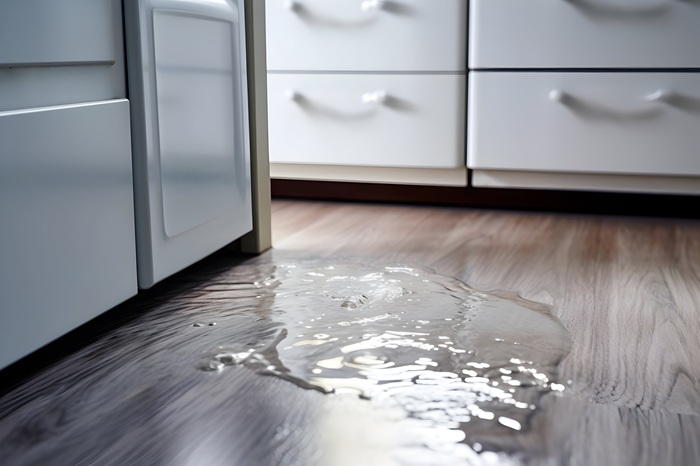
Structural drying is one of the most important stages after water intrusion because moisture that remains inside walls, floors, and building cavities can cause long-term deterioration. Water moves quickly through porous materials, so a detailed and methodical drying process is needed to stabilize the structure.
By combining measurement, controlled airflow, dehumidification, and verification, restoration teams prevent mold growth, reduce swelling and warping, and protect the integrity of the building. Whether the water intrusion came from a burst pipe, storm event, or appliance failure, structural drying follows a predictable sequence rooted in building science and moisture behavior.
Companies like CCS Cleaning & Restoration rely on precise assessment and monitoring to guide the drying process. Each structure responds differently depending on the construction materials, insulation type, humidity levels, and how long the building has stayed wet. In this blog, we'll look at five key components of structural drying — initial assessment, moisture monitoring, equipment selection, time management, and proof of dryness — to form a framework that produces consistent and measurable results.
What Is the Initial Assessment Process for Water Intrusion?
The initial assessment sets the foundation for the entire drying project. The first step involves identifying the source of water intrusion and stopping further water entry. Restoration professionals then examine all affected materials, including drywall, insulation, flooring systems, and structural components.
Because water follows gravity and capillary paths, it often spreads farther than what is visible on the surface, making non-invasive inspection tools essential for properly defining the wet areas. Thermal imaging cameras, which detect temperature differences, help identify hidden moisture behind surfaces, while direct moisture readings confirm the depth and severity of saturation.
In addition to defining the affected zones, the assessment includes determining the category of water. Category 1 water (clean sources) typically has fewer contaminants, while Category 2 and Category 3 water contain increasing levels of pollutants or debris. These classifications influence the cleaning protocols and what materials can be dried versus removed. The structural makeup of the building is also evaluated. Materials like hardwood, engineered wood, and drywall behave very differently when wet, and the drying plan must match their unique absorption and release characteristics.
Once the assessment is complete, restoration teams map out a containment strategy and a drying layout. This includes identifying ideal positions for air movers, dehumidifiers, and air scrubbers used during the restoration service. A detailed assessment reduces the risk of missing concealed moisture, shortens the drying timeline, and allows for more systematic monitoring throughout the project.
How Are Moisture Levels Monitored During Drying?
Effective structural drying depends on accurate measurement of moisture throughout the process. Moisture meters come in two primary types: penetrating meters, which use probes to measure moisture inside materials, and non-penetrating meters, which measure conductivity near the surface. Both types provide critical data about how the material is drying over time. Restoration technicians record these readings at regular intervals, usually every 24 hours, to determine whether the drying plan is working or needs adjustment.
Psychrometric readings also play a central role in monitoring. Temperature, relative humidity, and grains per pound (GPP) of moisture in the air are measured to understand the drying environment. When dehumidifiers and air movers are set properly, GPP levels should decrease steadily as the structure releases moisture into the air and the equipment removes it. Monitoring tools help ensure that the drying chamber maintains stable environmental conditions so that evaporation continues at an optimal rate.
Continuous documentation of moisture readings provides a clear picture of progress. If certain materials remain wet while others dry as expected, technicians may change airflow direction, increase dehumidification, or expose additional building cavities. Reliable monitoring prevents mold growth, reduces the risk of secondary damage, and verifies that all structural elements are moving toward a safe and stable moisture level during restoration.
What Equipment is Used for Effective Structural Drying?
Structural drying relies on a combination of equipment chosen to move air, remove moisture, and stabilize the environment. Air movers create controlled airflow across wet surfaces, increasing evaporation by reducing the boundary layer of humid air that forms near the material. Low-profile air movers, centrifugal air movers, and axial fans are selected based on space constraints and the type of materials being dried. Directional airflow is planned intentionally to avoid dead zones and maximize coverage.
Dehumidifiers complement air movers by removing water vapor from the air. Two common types are refrigerant dehumidifiers and desiccant dehumidifiers. Refrigerant units lower moisture by condensing water from the air, making them suitable for many residential and commercial environments. Desiccant units use adsorption and are effective in colder temperatures or when very low humidity levels are needed. By lowering humidity, dehumidifiers maintain the pressure gradient that encourages moisture to leave wet building materials.
Air scrubbers are sometimes used in tandem with drying equipment, especially when the water intrusion involves contaminated sources or when structural drying is part of a larger restoration project. HEPA air scrubbers reduce airborne particulate, support a cleaner drying environment, and help maintain safe working conditions. Together, airflow, dehumidification, and filtration produce a controlled drying system designed to stabilize the structure efficiently.
How Long Does the Drying Process Typically Take?
The duration of structural drying varies based on how much water entered the building, how long materials were exposed, and the type of construction involved. Most drying projects last between three and five days, but large losses, deeply saturated materials, or limited ventilation can extend this timeline. Dense materials, such as plaster, brick, and hardwood, take longer to release moisture than drywall or carpet. Insulation within walls or ceilings may also slow the process if moisture is trapped behind vapor barriers or within enclosed cavities.
The environmental conditions maintained during the project significantly influence drying speed. Structures dry faster when air movers and dehumidifiers are balanced to maintain low humidity and consistent airflow. Technicians adjust equipment placement and output throughout the project based on daily moisture readings. If specific assemblies — such as subfloors, sill plates, or multi-layer flooring — remain wet longer, targeted drying methods, such as floor drying mats or wall cavity drying systems, may be used to accelerate evaporation.
Although timelines vary, monitoring tools give clear indicators that progress is on track. The goal is not simply to dry materials quickly but to dry them thoroughly without causing damage from overdrying or excessive heat. Throughout this period, moisture readings, environmental data, and visible conditions all inform the decision to continue, adjust, or conclude active drying.
What Indicators Signify That a Structure is Adequately Dried?
Properly concluding structural drying requires objective measurements that confirm materials have returned to safe moisture levels. The primary indicator is that all affected materials reach moisture content readings comparable to known dry standards for the region. These benchmarks come from undamaged areas of the same building or from industry reference values for specific materials. Readings are taken at multiple depths and locations to ensure that drying is uniform and complete.
Stable environmental readings also confirm that the structure is ready for repair work. When temperature, humidity, and GPP levels stop trending downward and remain consistent over time, the drying environment has reached equilibrium. This indicates that evaporation from wet materials has slowed or stopped, which suggests that most moisture has been removed. Technicians cross-check these readings with meter data to verify accuracy.
Before equipment is removed, restoration professionals also inspect for visual indicators like returning material hardness, absence of condensation, and surfaces that no longer feel cool to the touch. Once all measurements align with acceptable ranges, the structure is considered adequately dried.
How CCS Cleaning & Restoration Supports Structural Drying After Water Intrusion
Water intrusion affects structural components quickly, and a well-planned drying strategy can prevent long-term damage. CCS Cleaning & Restoration uses industry-standard equipment, moisture mapping tools, and controlled drying methods to stabilize buildings after water events.
We serve residential and commercial properties throughout southern Minnesota, employing technicians who understand how different materials respond to water intrusion and know how to calibrate drying systems for consistent and measurable results.
For property owners seeking guidance on structural drying, moisture verification, or post-drying inspection, call us at 507-334-1774 or contact us online to explore your options!