What Determines Whether Water Damage Is Classified as Category 1, 2, or 3?
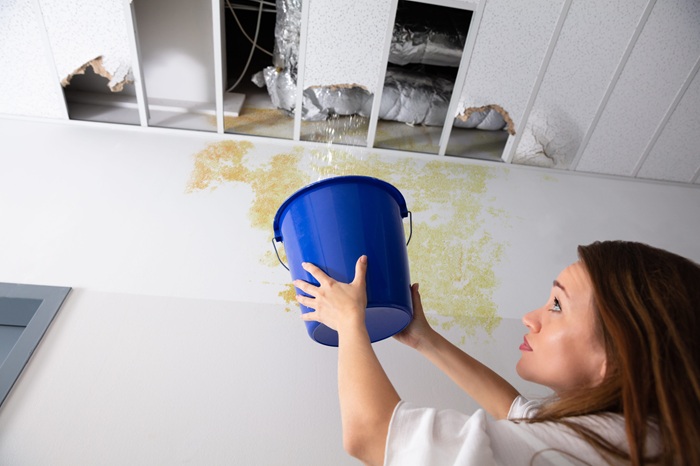
Water damage is one of the most complex issues property owners face, not only because of the visible destruction it causes but also due to the hidden risks associated with contamination. The classification of water damage into Category 1, 2, or 3 is a critical step in determining how severe the situation is and what level of response is required. These categories are not arbitrary—they are based on measurable factors such as contamination levels, exposure time, and the potential health risks involved. Understanding these distinctions helps property owners and professionals respond appropriately and prevent further damage or health hazards.
In real-world scenarios, water rarely stays in its original state. A small leak from a clean supply line can quickly become hazardous if left untreated, especially as it interacts with building materials and environmental contaminants. This article explores the key factors that determine how water damage is classified, including the source of contamination, microbial presence, environmental exposure, material interaction, and associated health risks. By examining these elements, readers can better understand how situations escalate and why proper classification is essential when addressing water damage. CCS Cleaning & Restoration recognizes that accurate classification is the foundation of effective mitigation and restoration.
How the Source of Water Contamination Determines Water Damage Classification
The origin of water is the primary factor used to determine its initial classification. Category 1 water originates from a sanitary source and poses minimal risk to humans. This includes water from broken supply lines, sink overflows without contaminants, or appliance malfunctions involving clean water systems. Because this water does not initially contain harmful substances, it is classified as “clean water,” though this designation is highly time-sensitive.
Category 2 water, often referred to as “gray water,” contains a significant level of contaminants that can cause illness or discomfort if exposed. Common sources include dishwasher discharge, washing machine overflow, or toilet overflows without fecal matter. These sources introduce organic and inorganic materials, including detergents and microorganisms, which elevate the contamination level beyond what is considered safe.
Category 3 water, or “black water,” represents the highest level of contamination and includes sewage backups, floodwater, and any water containing pathogenic agents or toxic substances. Floodwater is especially hazardous because it often carries pesticides, heavy metals, and biological waste from multiple sources. The classification at this level reflects a direct and serious threat to human health, requiring strict containment and remediation protocols. Even situations that begin as Category 1 can escalate quickly depending on environmental conditions and exposure pathways, reinforcing the importance of rapid response to water damage.
How Microbial and Chemical Contaminants Shift Water Damage Categories
The presence and concentration of microorganisms and chemicals play a central role in determining water classification. Category 1 water contains little to no microbial contamination at the outset, but this status is fragile. Once water becomes exposed to surfaces, air, and organic materials, it begins to accumulate bacteria and other microorganisms.
Category 2 water is defined by elevated levels of microbial contamination, including bacteria, fungi, and other microorganisms capable of causing illness. In addition, chemical contaminants such as cleaning agents, soaps, and food waste contribute to its classification. These substances create an environment that supports microbial growth, increasing both biological activity and risk.
Category 3 water contains high concentrations of harmful pathogens, including viruses, bacteria, and parasites, as well as toxic chemicals. This level of contamination is considered grossly unsanitary and poses severe health risks. The distinction between categories is based on measurable contamination thresholds, and once water reaches Category 3, it requires specialized containment, removal, and decontamination procedures.
How Time and Environmental Exposure Cause Water to Degrade in Category
Time is one of the most critical variables in water damage classification. Even clean water does not remain clean indefinitely. Within a short period, typically 24 to 48 hours, standing water begins to degrade due to microbial growth and environmental exposure. This transition can shift water from Category 1 to Category 2 or even Category 3 if conditions allow for significant contamination.
Environmental factors such as temperature, humidity, and airflow accelerate this process. Warm and humid environments promote rapid bacterial growth, while stagnant conditions allow contaminants to concentrate. As water sits, it absorbs particles from the surrounding environment, including dust, debris, and airborne microorganisms.
This degradation process is well-documented in restoration standards, which emphasize that classification is dynamic rather than fixed. The longer water remains untreated, the more likely it is to become hazardous. This is why timely intervention is essential—not just for structural preservation but also for maintaining a lower contamination category.
How Building Materials and Contents Increase Water Contamination Levels
Water rarely remains isolated during a damage event. As it travels through a structure, it comes into contact with various materials that contribute to contamination. Porous materials such as drywall, insulation, and carpeting absorb water quickly and provide an ideal environment for microbial growth. These materials often contain organic compounds that serve as nutrients for bacteria and mold.
Non-porous and semi-porous materials also play a role. While they may not absorb water to the same extent, they can still harbor contaminants on their surfaces. As water moves through flooring systems, wall cavities, and structural components, it collects particles, chemicals, and biological matter that elevate its contamination level.
Organic debris, including dust, soil, and household waste, further accelerates this process. Once water becomes saturated with these materials, it is no longer considered clean, even if its original source was uncontaminated. This interaction between water and building materials is a key factor in why classification often escalates during prolonged exposure.
How Health Risks Define Water Damage Categories and Mitigation Standards
Water damage classification is ultimately based on the potential risk to human health. Category 1 water presents minimal risk under controlled conditions, but even this level requires careful monitoring. Category 2 water introduces a moderate health risk, with exposure potentially leading to illness or discomfort due to microbial and chemical contaminants.
Category 3 water represents a severe health hazard. Exposure can result in serious illness due to the presence of pathogens, toxins, and hazardous substances. This classification dictates strict safety protocols, including the use of personal protective equipment, containment barriers, and specialized decontamination procedures.
Mitigation standards are directly tied to these classifications. Higher categories require more aggressive cleaning, removal of affected materials, and disinfection processes. These standards are established by industry guidelines to protect both occupants and restoration professionals. For property owners seeking professional guidance, CCS Cleaning & Restoration provides access to detailed information and support through CCS Cleaning & Restoration.
Understanding how water damage is classified is essential when facing any type of water intrusion. From identifying the source of contamination to recognizing how time, materials, and environmental factors influence severity, each step plays a role in determining the appropriate response. CCS Cleaning & Restoration applies industry-recognized standards to assess water damage accurately and implement the correct mitigation strategies based on classification levels.
Whether dealing with clean water from a supply line or hazardous contamination from flooding or sewage, proper evaluation is critical to protecting both property and health. CCS Cleaning & Restoration offers comprehensive services designed to address each category of water damage with precision and care.
If you are experiencing water damage or need expert evaluation, contact CCS Cleaning & Restoration at 507-334-1774. You can also reach out directly through their website to contact us and get immediate assistance from trained professionals.