What Factors Influence the Cost of Professional Mold Remediation?
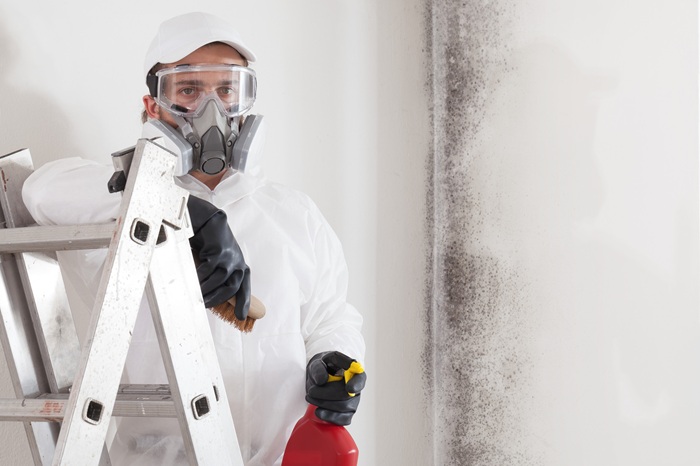
The cost of professional mold remediation depends on several conditions that affect how difficult the project will be and what resources are needed to complete it safely. Mold often develops after water intrusion, high humidity, or hidden leaks, and the extent of moisture damage is one of the most influential cost factors.
Because mold remediation requires specialized containment, filtration, removal methods, and verification steps, the conditions present at the property directly shape the size of the project and its final price.
CCS Cleaning & Restoration evaluates mold remediation pricing by looking at measurable conditions such as material saturation, contamination category, structural layout, and the level of labor and equipment required. In the following sections, we'll break down the factors that typically influence mold remediation costs and explain how they impact the scope of work for both residential and commercial environments.
How the Size and Scope of Water Damage Affects Restoration Costs
The initial spread of water often determines the scale of mold remediation needed. When a structure experiences widespread water intrusion, moisture migrates through wall cavities, insulation, flooring, and subflooring.
The larger the affected area, the more extensive the required containment and removal efforts become. Mold can form on drywall, wood framing, carpet backing, and other materials, and each additional surface adds to labor and disposal needs. Larger projects typically require more technicians, additional containment zones, and extended operation of HEPA air scrubbers.
Depth of saturation also affects remediation pricing. When water reaches multiple layers of building materials, deeper demolition may be necessary to fully expose and remove mold growth. Multi-story water losses or buildings with complex layouts can increase labor hours because technicians must locate and open concealed spaces to reach moisture and mold colonization. The time required to dry materials before rebuilding can further influence cost.
During restoration, larger water-damaged areas require expanded oversight, detailed moisture mapping, and longer equipment operation times. These added steps ensure that mold growth is removed completely and the structure is stabilized before repairs begin.
Impact of Water Contamination Category on Cleanup Pricing
The category of water involved in the initial damage directly affects mold remediation costs because it determines how safely materials must be handled.
Category 1 water, which originates from clean sources, requires fewer safety measures and often allows for more material salvage. In contrast, Category 2 and Category 3 water contain contaminants such as chemicals, sewage, or organic waste that require more protective equipment, additional cleaning steps, and specialized disposal procedures.
Higher contamination levels require increased containment barriers, more advanced PPE, and enhanced cleaning methods to remove potentially hazardous residues. When Category 3 water is involved, porous materials such as carpet, insulation, and drywall generally require removal rather than cleaning, which increases labor and disposal volume. Remediation crews must follow stricter protocols to prevent cross-contamination during debris removal.
More advanced contamination also affects verification requirements. Technicians must document their work thoroughly, produce clearance reports, and ensure that affected zones meet safe moisture and cleanliness standards before removal of containment. These extra steps contribute to higher overall costs during restoration projects involving contaminated water.
How Building Materials Influence Water Damage Repair Expenses
Different construction materials respond to moisture in different ways, and this affects how much labor is needed to restore them. Drywall, carpet, and insulation absorb water quickly and typically require removal once mold growth begins. Materials like plaster, hardwood flooring, engineered wood, and tile systems take longer to dry and may require specialized drying equipment or controlled demolition to reach underlying mold.
Structures with layered flooring — such as tile over backer board or hardwood installed over multiple subfloor layers — take more time to open and inspect. Mold beneath these systems often requires the removal of several assemblies, increasing disposal and labor charges. Similarly, buildings with spray foam insulation, vapor barriers, or complex mechanical chases tend to trap moisture, causing mold to form in concealed spaces that require detailed access.
When mold affects HVAC systems, cabinetry, or built-in structures, costs increase due to the need for detailed cleaning or disassembly. Materials that retain odors or require specialized handling during restoration may also contribute to the total remediation cost.
Labor and Equipment Typically Included in Restoration Estimates
Mold remediation requires trained technicians who follow containment, removal, and cleaning protocols. Labor costs include time spent setting up containment barriers, operating HEPA air scrubbers, removing affected materials, applying antimicrobial treatments, and cleaning and HEPA vacuuming all surfaces within the affected zone. Technicians also perform moisture readings, documentation, and clearance preparation, which contribute to total project hours.
Equipment charges often include HEPA-filtered air scrubbers, negative air machines, dehumidifiers, drying equipment, and specialized tools for demolition or surface treatment. Each piece of equipment must run for a specific period to control particulate, maintain safe working conditions, and support drying goals. Larger projects require multiple machines running simultaneously, increasing daily rental or usage charges.
Estimates also account for waste disposal fees, protective gear, and cleaning solutions. Because biohazard disposal services may be required when contaminated materials are present, disposal costs can vary considerably depending on the type and volume of debris generated during restoration.
Hidden or Unexpected Costs in Water Damage Restoration Projects
Hidden moisture is one of the most common sources of unexpected cost. Water travels behind walls, beneath flooring, and into structural voids that are not always visible at the start of the project. Once mold begins to form in these concealed spaces, additional demolition may be required to access and remove contamination. This increases labor hours, disposal amounts, and rebuilding needs.
Odor removal can also add cost when smoke, microbial growth, or stagnant water odors remain after initial cleaning. Deodorization treatments, HEPA filtration, and extended drying may be needed to address persistent odors. Structural components such as subfloors or sill plates may require reinforcement or partial replacement if they have experienced long-term moisture exposure.
Insurance coverage gaps or delays may also create unexpected expenses. If the initial cause of water intrusion is not covered, or if mold growth is excluded from a policy, property owners may face additional out-of-pocket costs.
How CCS Cleaning & Restoration Supports Cost-Effective Mold Remediation
At CCS Cleaning & Restoration, we understand that mold issues can be stressful and disruptive. That’s why we provide professional mold remediation services to homeowners and businesses in Faribault, Owatonna, Northfield, Lakeville, and throughout southern Minnesota. Every project begins with a careful assessment of moisture conditions, affected materials, and airflow patterns to ensure the remediation plan fits the specific needs of the structure.
Our team is ready to respond quickly and efficiently. To discuss concerns, schedule an inspection, or ask questions about next steps, call 507-334-1774 or contact CCS Cleaning & Restoration online. We focus on clear communication, proven methods, and dependable service you can trust.