What Is the Difference Between Mold Testing, Mold Inspection, and Mold Clearance Testing?
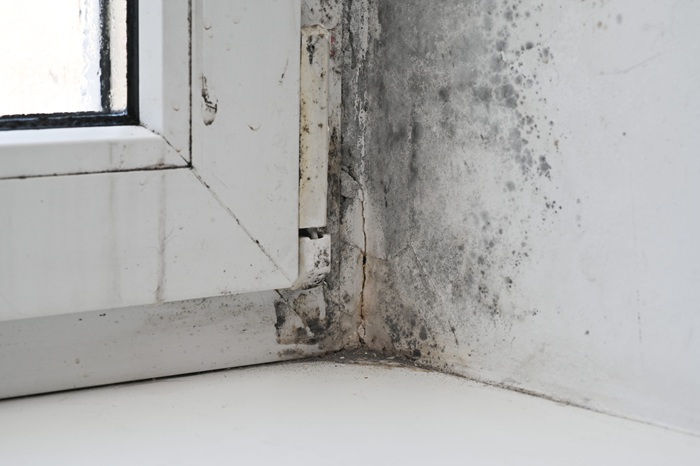
Understanding the differences between mold inspection, mold testing, and mold clearance testing is critical when dealing with potential mold issues in a property. While these terms are often used interchangeably, they represent distinct processes with different objectives, methods, and outcomes. Whether you are noticing a musty odor, dealing with water damage, or preparing a property for sale, knowing which service is appropriate can significantly impact both health and property conditions. A professional approach to mold testing and inspection helps establish accurate information rather than relying on assumptions.
At CCS Cleaning & Restoration, these services are approached with a clear methodology that separates identification, measurement, and verification. A mold inspection focuses on locating visible and hidden mold growth, while mold testing provides measurable data about airborne or surface contamination. Mold clearance testing, on the other hand, confirms that remediation efforts have successfully returned conditions to acceptable levels. The following sections explore what each process involves, when it is used, and how they differ in practice, helping readers make informed decisions based on real-world scenarios.
What a Mold Inspection Involves: Identifying Visible and Hidden Mold Growth
A mold inspection is a comprehensive visual and environmental assessment designed to identify signs of mold growth and the conditions that support it. Inspectors examine both visible areas and concealed spaces such as behind walls, under flooring, within HVAC systems, and inside crawlspaces. The primary objective is to locate mold presence and determine the source of moisture, since mold cannot grow without water intrusion or elevated humidity levels.
Moisture detection plays a central role in this process. Professionals use tools such as moisture meters, infrared cameras, and hygrometers to identify areas where water may be accumulating behind surfaces. These tools allow inspectors to detect hidden leaks, condensation issues, or structural vulnerabilities that are not visible to the naked eye. The inspection also includes evaluating building materials, ventilation systems, and environmental conditions that contribute to mold growth.
It is important to note that a mold inspection does not always involve sampling. Its purpose is to assess the extent of contamination and identify contributing factors rather than quantify mold levels. In many cases, visible mold and moisture issues provide sufficient evidence to recommend corrective action without laboratory analysis.
Purpose and Methods of Mold Testing: Measuring Spore Levels and Identifying Mold Types
Mold testing is a data-driven process used to measure the concentration of mold spores in the air or on surfaces. Unlike inspections, which focus on identification, testing provides quantitative results that help determine the severity of contamination. Air sampling is one of the most common methods, where specialized pumps collect airborne particles for laboratory analysis.
Surface sampling is another approach, often performed using swabs or tape lifts. These samples are analyzed to identify specific mold species present on materials. This level of detail is particularly useful when distinguishing between common background mold and elevated or hazardous concentrations. Testing results are typically compared to outdoor baseline samples to determine whether indoor levels are abnormal.
Situations that require documentation, such as real estate transactions or health-related concerns, often rely on testing for verification. For example, professional mold remediation projects may include pre- and post-testing to establish measurable changes in indoor air quality.
What Mold Clearance Testing Confirms After Remediation
Mold clearance testing is performed after remediation has been completed to confirm that the affected area has been properly restored. Its purpose is to verify that mold spore levels have returned to acceptable conditions and that the environment is safe for normal occupancy. This step serves as an objective validation rather than relying solely on visual confirmation.
The process typically involves air sampling within the remediated area, along with comparison samples taken from unaffected spaces or outdoor environments. These samples are analyzed to ensure that mold concentrations are consistent with normal background levels. In addition to air testing, inspectors may also verify that moisture issues have been resolved and that no residual contamination remains on surfaces.
Clearance testing is often required in regulated environments, insurance claims, or large-scale remediation projects. It provides documented proof that remediation efforts were effective and that the space meets established environmental standards.
When Mold Inspection, Testing, or Clearance Testing Is Needed
Each service serves a specific purpose and is used in different situations. Mold inspection is typically the first step when there is suspicion of mold due to visible growth, water damage, or persistent odors. It helps identify the source of the problem and determine whether further action is needed.
Mold testing is often used when there is a need for measurable data. This includes situations involving health concerns, legal disputes, or property transactions where documentation is required. Testing can also help confirm whether indoor conditions differ significantly from normal environmental levels.
Clearance testing is necessary after remediation work has been completed. It ensures that the cleanup process was successful and that the environment is safe. Without this verification, there is no objective confirmation that mold levels have been reduced to acceptable standards.
Key Differences Between Mold Inspection, Testing, and Clearance Testing
The primary distinction between these services lies in their objectives. Mold inspection focuses on identifying mold presence and moisture sources. Mold testing measures spore concentrations and identifies mold types. Mold clearance testing confirms that remediation efforts have achieved acceptable environmental conditions.
The processes also differ in methodology. Inspections rely heavily on visual assessment and moisture detection tools, while testing involves collecting samples for laboratory analysis. Clearance testing combines both approaches by verifying physical conditions and confirming air quality through measurable data.
Outcomes vary accordingly. Inspections provide findings related to location and cause, testing delivers quantitative laboratory reports, and clearance testing produces verification that remediation was successful. Together, these services form a structured approach to managing mold issues from initial discovery through final confirmation.
Addressing mold issues requires a clear understanding of the processes involved, from initial inspection to final verification. CCS Cleaning & Restoration provides structured services that cover each stage, including identifying moisture sources, measuring contamination levels, and confirming that remediation efforts have been successful. This comprehensive approach allows property owners to move forward with confidence, knowing that each step has been handled with precision.
Whether you are dealing with suspected mold growth, require documented testing results, or need post-remediation verification, CCS Cleaning & Restoration offers the expertise to guide the process. The team can be reached at 507-334-1774 for professional assistance tailored to your situation. To learn more or schedule a service, visit the contact us page.