What Technologies Are Used in Modern Fire Damage Restoration?
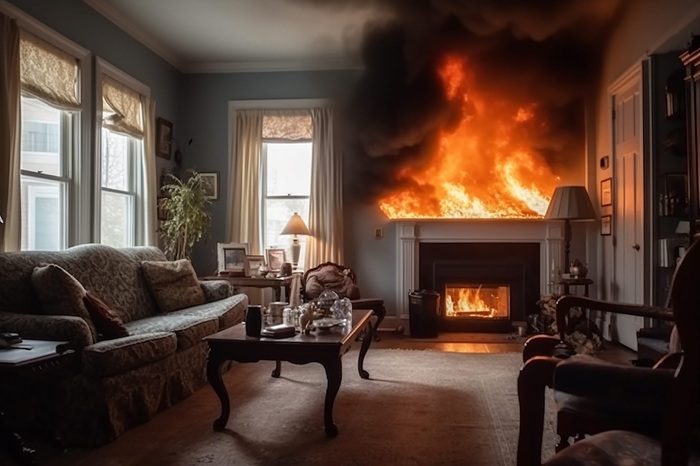
Modern fire damage restoration has evolved far beyond basic cleanup and reconstruction. Today’s restoration process relies on specialized technologies designed to address the complex chemical, physical, and environmental effects that occur after a fire. Smoke residues, airborne particulates, and embedded odors can continue damaging materials long after flames are extinguished, requiring precise tools and methods to fully restore a property. From advanced air filtration systems to molecular-level odor neutralization, these technologies are essential in returning structures to a safe and stable condition.
CCS Cleaning & Restoration approaches fire recovery with a focus on stopping ongoing damage and restoring indoor environments at a deeper level. Understanding how tools like ozone treatments, soot removal equipment, air scrubbers, and thermal imaging function helps explain why modern restoration is both highly technical and methodical. In the sections ahead, we’ll explore how these technologies work, how restoration teams assess and document damage, and how each step contributes to effective fire damage recovery.
How Ozone Treatments and Hydroxyl Generators Remove Smoke Odors
Smoke odor after a fire is not simply a surface issue. It is caused by microscopic particles and volatile organic compounds (VOCs) that penetrate porous materials such as drywall, insulation, fabrics, and wood. These compounds continue to off-gas over time, which is why odors can persist long after visible debris is removed. Ozone treatments and hydroxyl generators are designed to address odor at the molecular level rather than masking it.
Ozone generators produce ozone (O₃), a highly reactive molecule that oxidizes odor-causing compounds. This reaction breaks down VOCs into smaller, less odorous molecules such as carbon dioxide and water. Hydroxyl generators, by contrast, create hydroxyl radicals (OH), which mimic natural atmospheric cleaning processes. These radicals safely neutralize odor molecules and airborne contaminants while being suitable for use in occupied environments.
Both technologies are used strategically depending on conditions such as material type, contamination level, and occupancy. Ozone is typically applied in controlled, unoccupied spaces due to its reactivity, while hydroxyl generators allow for continuous treatment. These processes are a key part of eliminating persistent smoke contamination in fire damage restoration, especially when odors have deeply penetrated structural components.
Equipment Used to Clean Soot from Structural Materials
Soot is a byproduct of incomplete combustion and contains carbon particles, acids, and toxic residues. Its composition varies depending on what burned, and different types of soot require different cleaning methods. Dry soot, oily soot, and protein residue each adhere differently to surfaces and can cause long-term damage if not properly removed.
Restoration professionals use a range of specialized equipment to clean soot from structural materials. HEPA-filtered vacuums are used first to remove loose particles without redistributing contaminants into the air. Chemical sponges, also known as dry cleaning sponges, are then applied to lift soot from surfaces without smearing. For more severe contamination, abrasive blasting methods such as soda blasting or dry ice blasting are used to remove residue from wood, brick, and concrete without causing structural damage.
In addition, alkaline and solvent-based cleaning agents are used to neutralize acidic soot residues that can corrode materials over time. These processes are often combined with controlled agitation and rinsing systems to fully remove contaminants. Proper soot removal is a foundational step in comprehensive restoration, as incomplete cleaning can lead to staining, odor persistence, and material degradation.
How Air Scrubbers Improve Air Quality During Fire Restoration
Air quality is significantly compromised after a fire due to suspended particulate matter, soot, ash, and chemical residues. These airborne contaminants pose health risks and can settle on surfaces, causing secondary damage. Air scrubbers are critical in controlling this environment during restoration.
Air scrubbers use high-efficiency particulate air (HEPA) filtration to capture particles as small as 0.3 microns with 99.97% efficiency. These systems continuously cycle air through multiple filtration stages, removing soot particles, dust, and other airborne contaminants. Many units also include activated carbon filters, which adsorb odor molecules and chemical vapors.
By maintaining negative air pressure in affected areas, air scrubbers prevent contaminants from spreading to unaffected parts of the structure. This containment is essential in limiting cross-contamination and protecting both occupants and restoration personnel. Continuous air filtration also supports faster drying and cleaning processes by stabilizing indoor environmental conditions.
The Role of Thermal Imaging in Identifying Fire-Related Damage
Thermal imaging plays a critical role in detecting hidden damage that is not visible to the naked eye. After a fire, heat can travel through structural components, leaving behind areas of retained moisture, compromised insulation, or hidden hotspots. These issues can lead to long-term structural problems if not identified early.
Infrared cameras detect temperature variations across surfaces, allowing restoration teams to locate areas of concern such as trapped moisture from firefighting efforts or heat-damaged materials behind walls and ceilings. This technology provides a non-invasive way to assess conditions without unnecessary demolition.
Thermal imaging is also used to verify the effectiveness of drying and decontamination efforts. By identifying inconsistencies in temperature patterns, restoration teams can ensure that all affected areas have been properly addressed. This level of precision reduces the risk of future issues such as mold growth or structural weakening.
How Restoration Teams Document Damage for Insurance Claims
Accurate documentation is essential in fire damage restoration, particularly for insurance claims. Restoration teams use a combination of digital tools and standardized processes to record the extent of damage in detail. This documentation provides a clear record of conditions before, during, and after restoration work.
High-resolution photography and video capture are used to document affected areas, structural damage, and contents. Moisture meters, thermal imaging data, and air quality readings are also recorded to provide objective measurements of damage. These data points help establish the scope of work required and support claim validation.
Specialized software platforms are often used to organize and present this information in standardized formats accepted by insurance providers. Detailed reports include itemized damage assessments, material conditions, and restoration procedures. Property owners working with CCS Cleaning & Restoration benefit from structured documentation that aligns with industry standards, helping streamline the claims process and reduce delays.
Fire damage introduces complex challenges that extend beyond what is visible. CCS Cleaning & Restoration provides comprehensive solutions that address smoke contamination, soot damage, air quality concerns, and hidden structural issues using advanced technology and proven methods. From odor removal and deep cleaning to precise damage assessment, each step is handled with a focus on restoring safe and stable conditions.
Property owners can rely on CCS Cleaning & Restoration to manage the full scope of fire recovery. Their team uses detailed documentation and industry-standard processes to support insurance claims and ensure accurate reporting. To learn more or request assistance, call 507-334-1774 or contact us today.